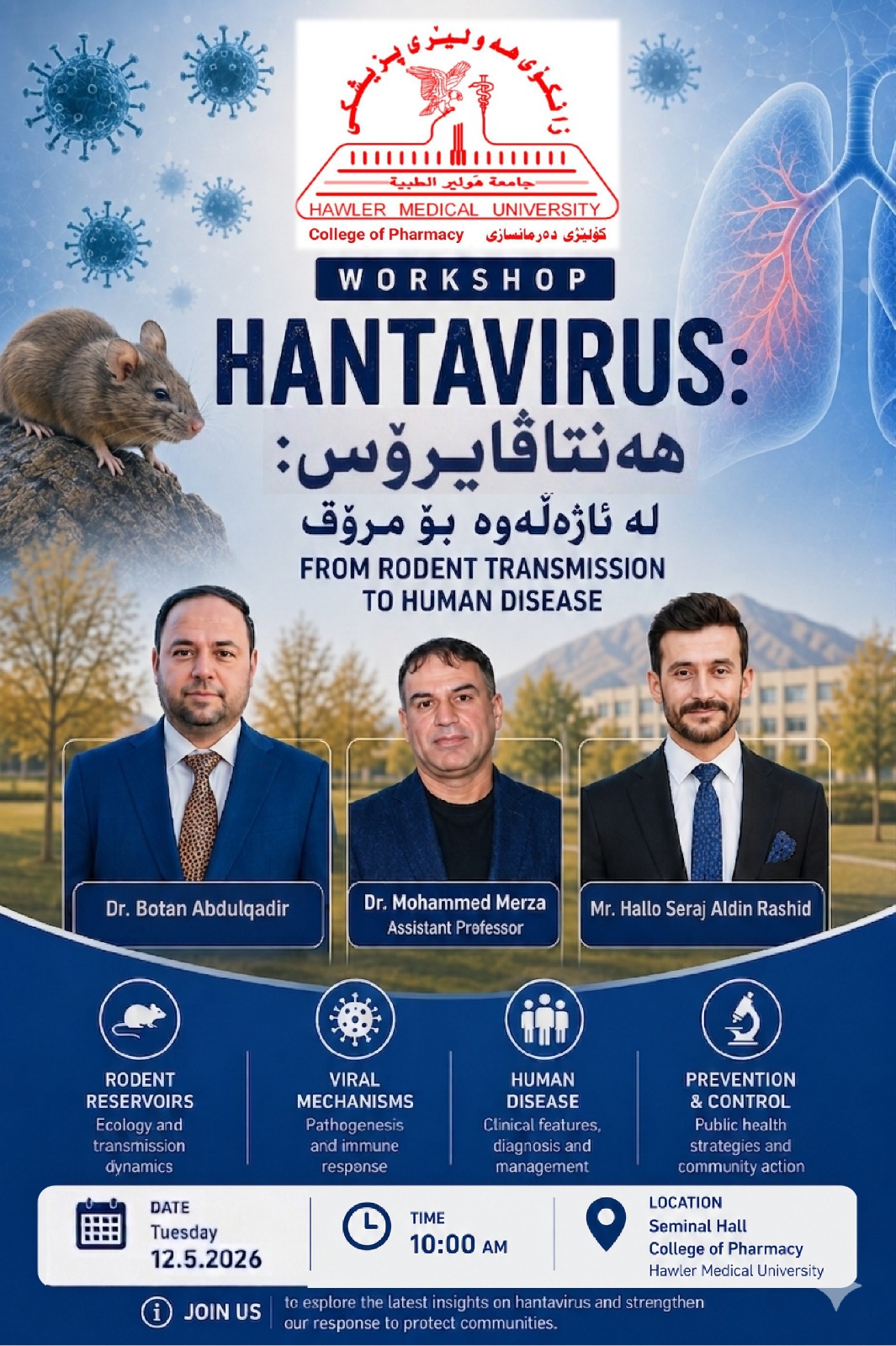
Title: Hantavirus: From Rodent Transmission to Human Disease
Summary description in the English Language: Hantaviruses are transmitted to humans primarily through inhaling aerosolized particles from the urine, droppings, or saliva of infected rodents, such as deer mice and cotton rats. After an incubation period of one to eight weeks, the virus can cause one of two main clinical syndromes. In the Americas, hantavirus pulmonary syndrome (HPS) typically begins with flu-like symptoms—fever, muscle aches (especially in the thighs and back), and headache—before rapidly progressing to severe respiratory distress due to fluid accumulation in the lungs; this form carries a fatality rate of 35–40%. In Europe and Asia, the same type of virus more often causes hemorrhagic fever with renal syndrome (HFRS), characterized by fever, bleeding abnormalities, and kidney failure, with a generally lower but still significant mortality risk. There is no specific cure, so treatment focuses on intensive supportive care, including oxygen and fluid management, antivirus and monoclonal antibodies.
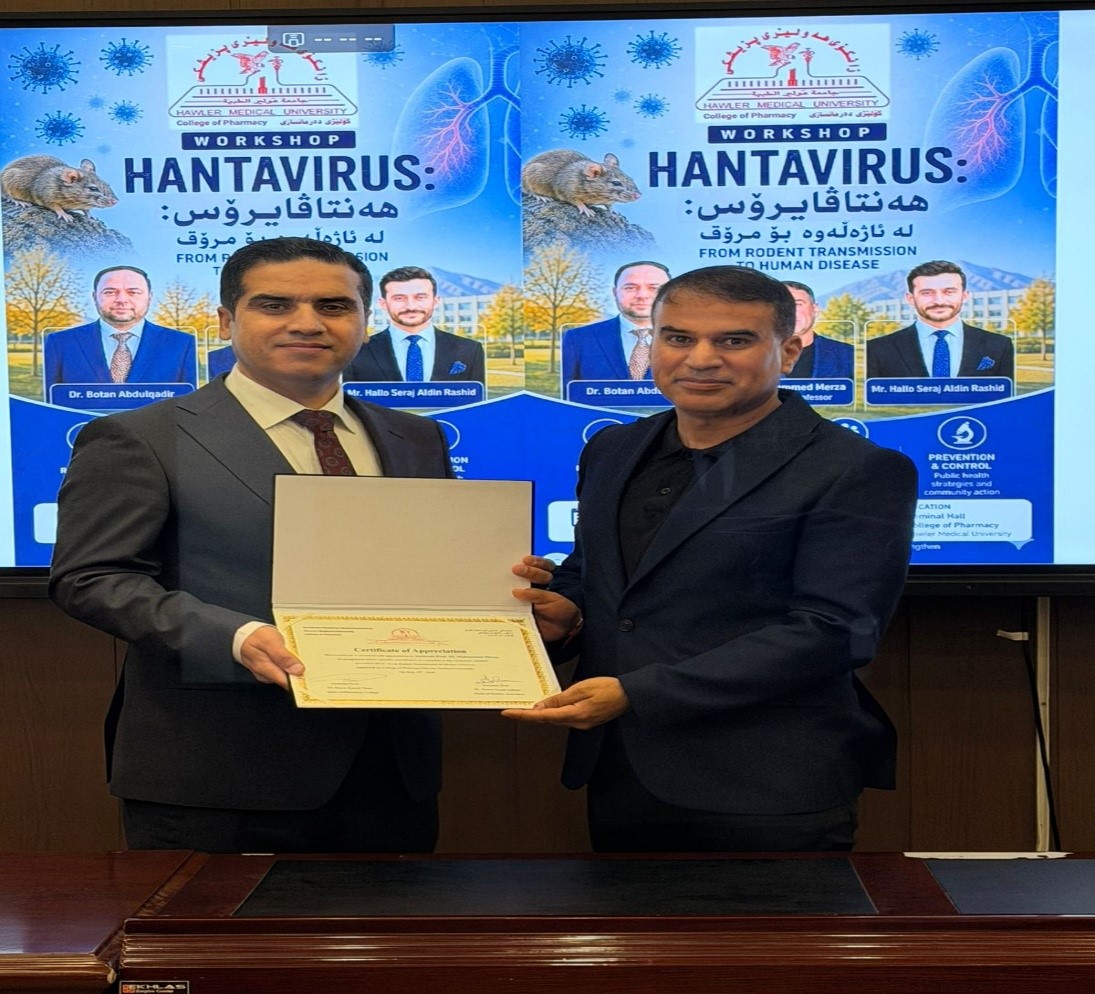
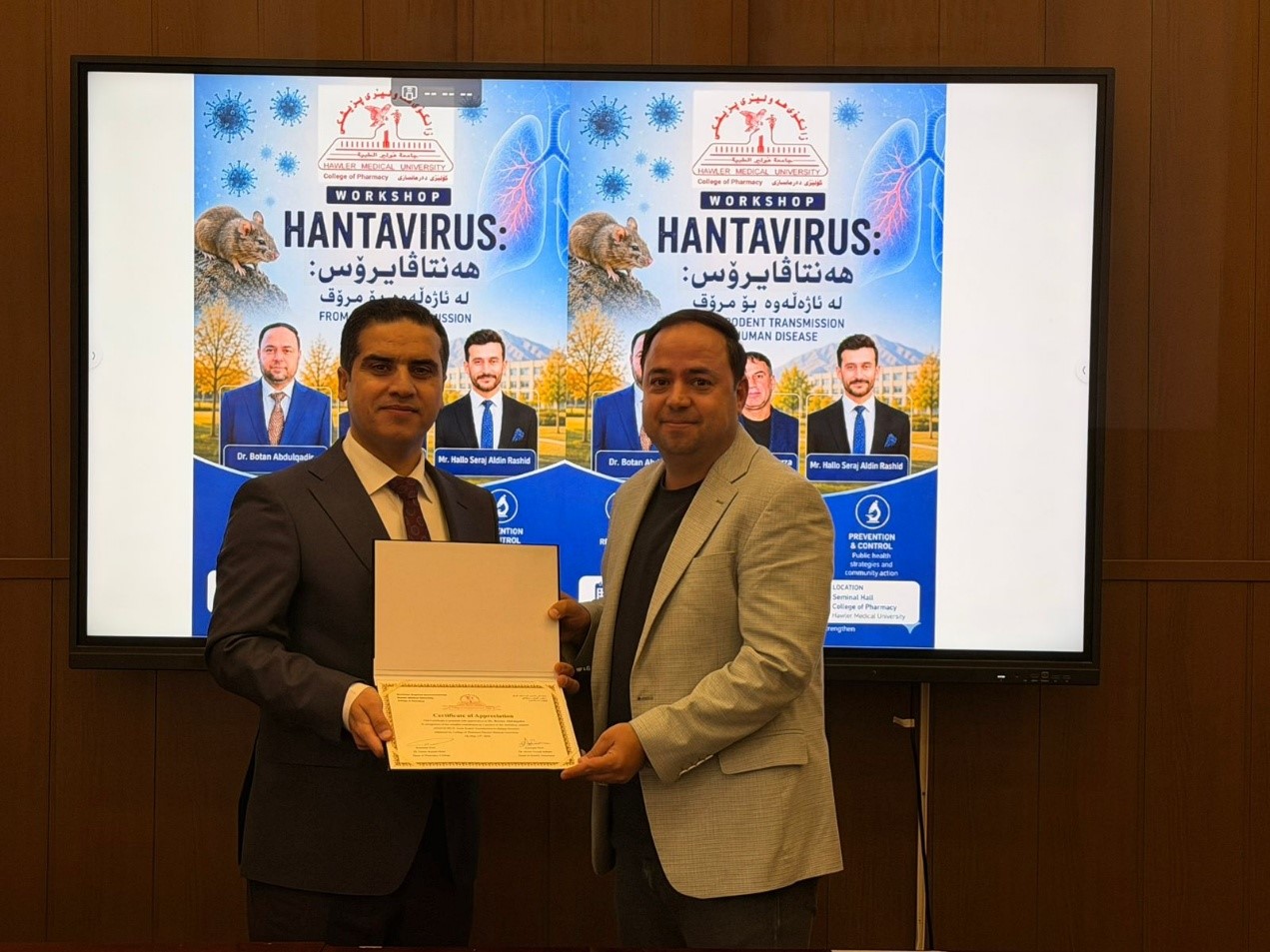
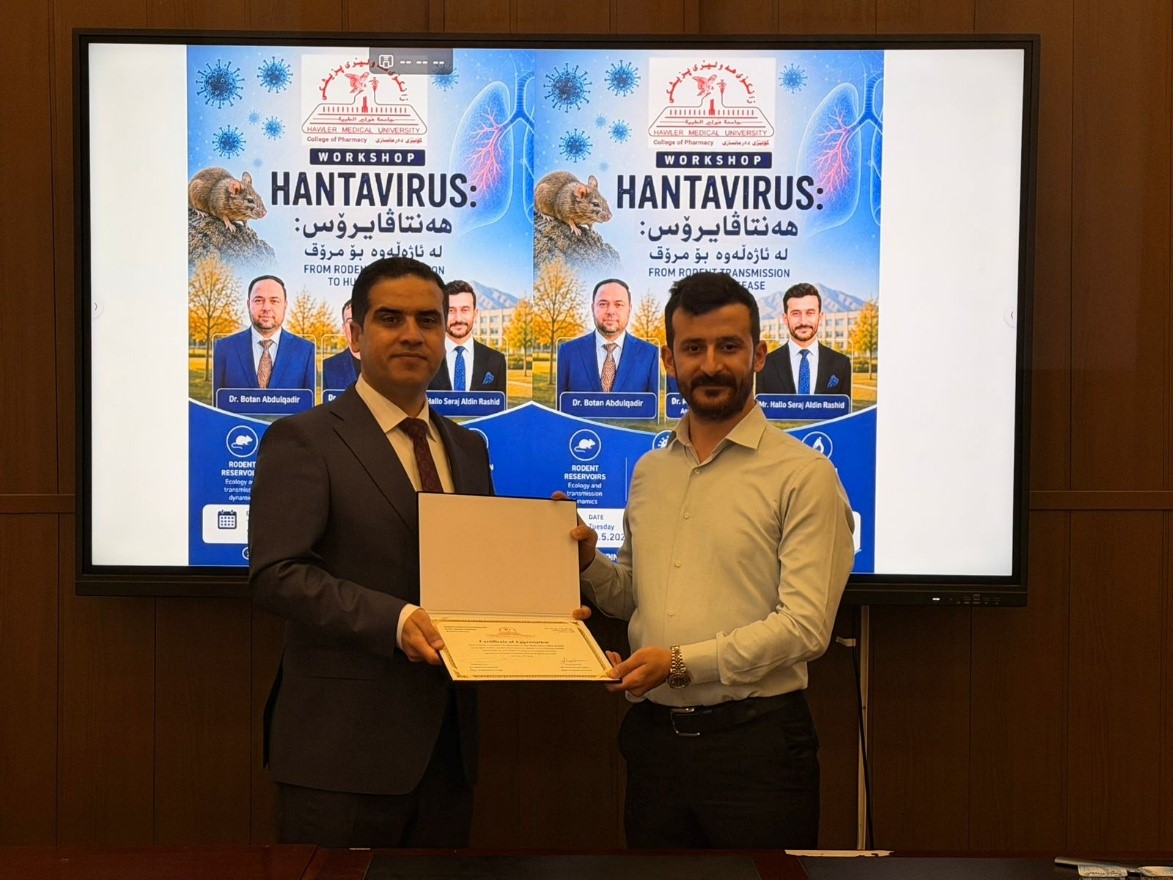
Type of activity: Workshop
Presenter/s: Dr.Mohammed Merza+ Dr.Bootan Abdulqadir+ Mr.Hallo Seraj Aldin Rashid
Qualification: Assist.Prof.+ Lecturer+ B.Sc.
Affiliation: Pharmacy College/ Hawler Medical University
Audience: Academician
Venue: College of Pharmacy
No. of Participants: 43
Day: Tuesday
Date: 12/5/2026
Time: 9:30 A.M.